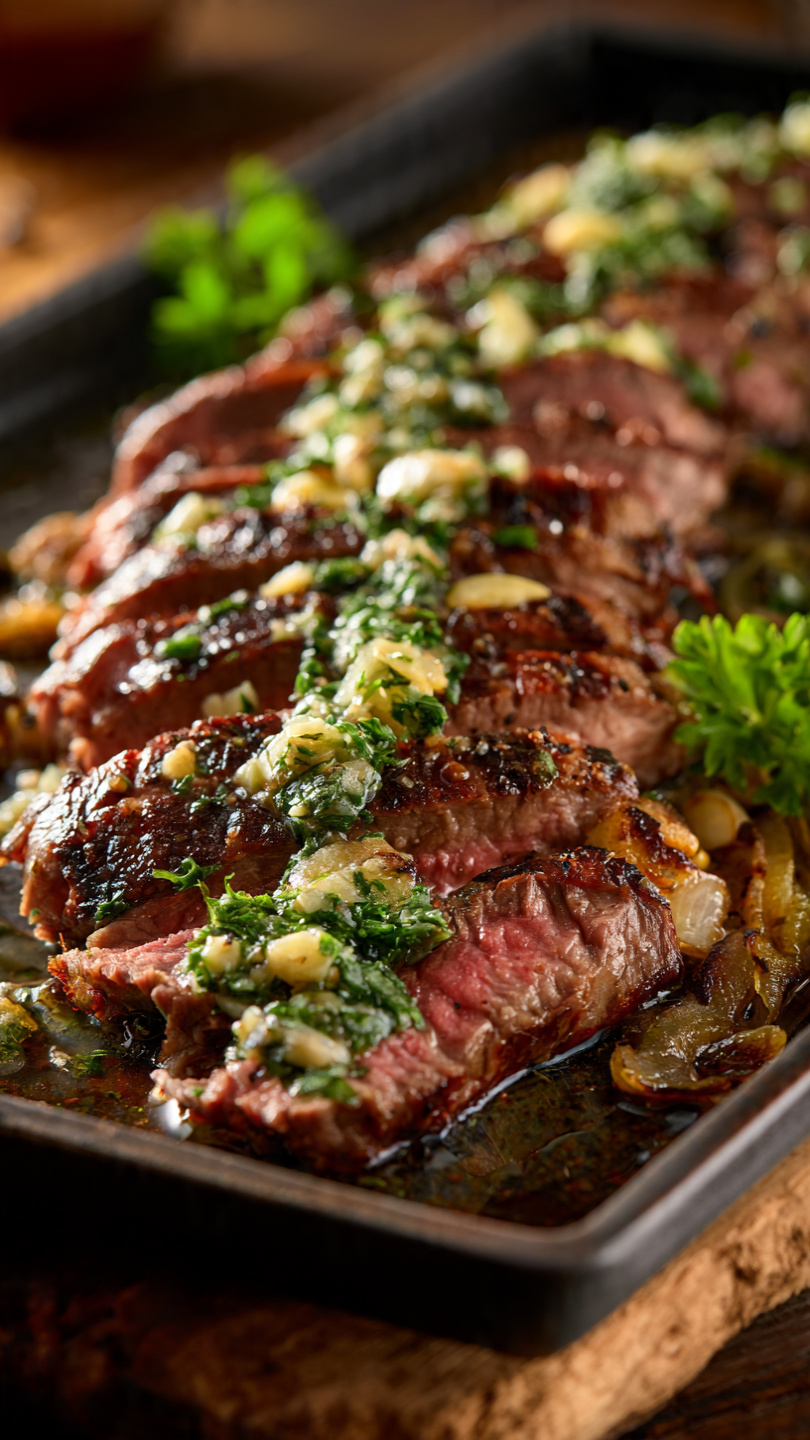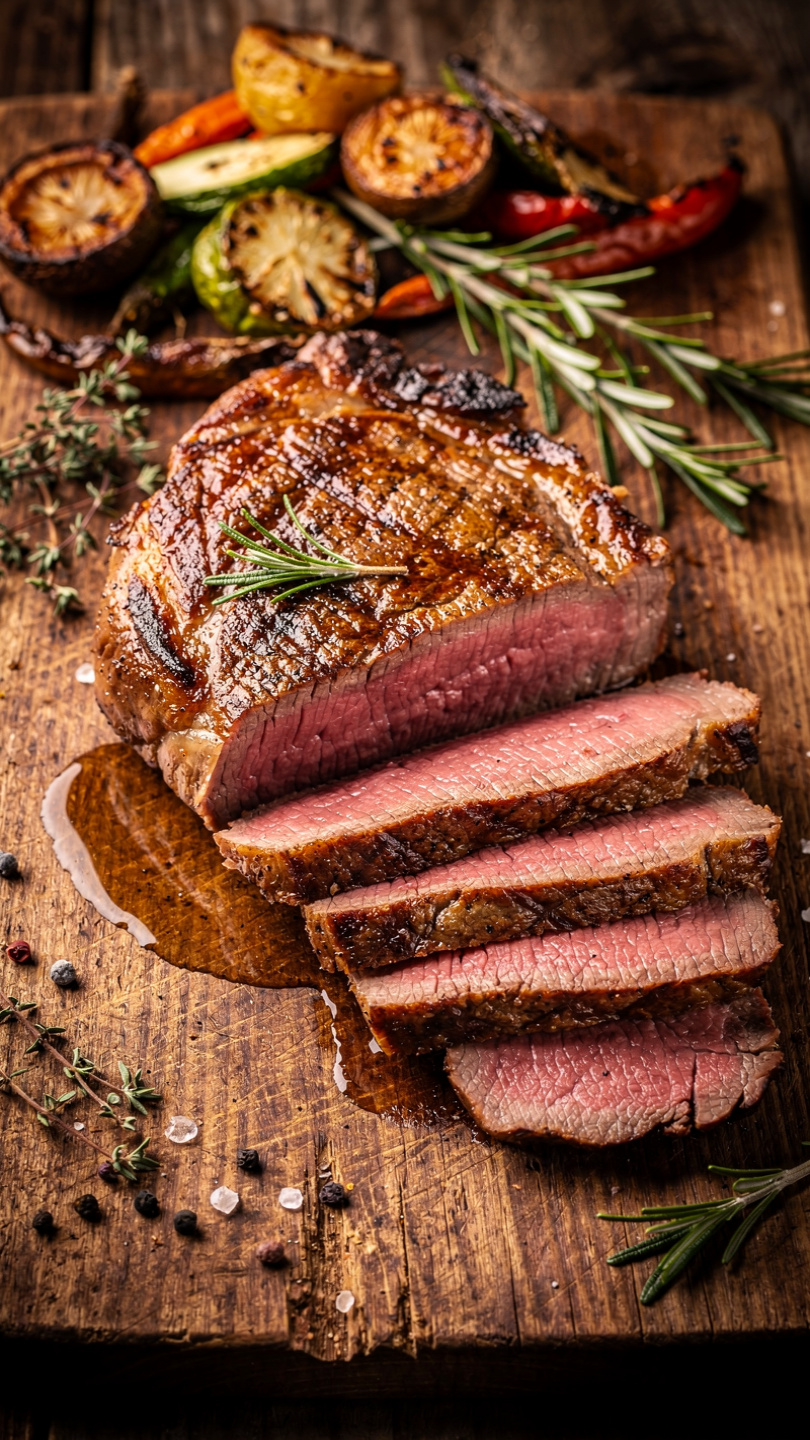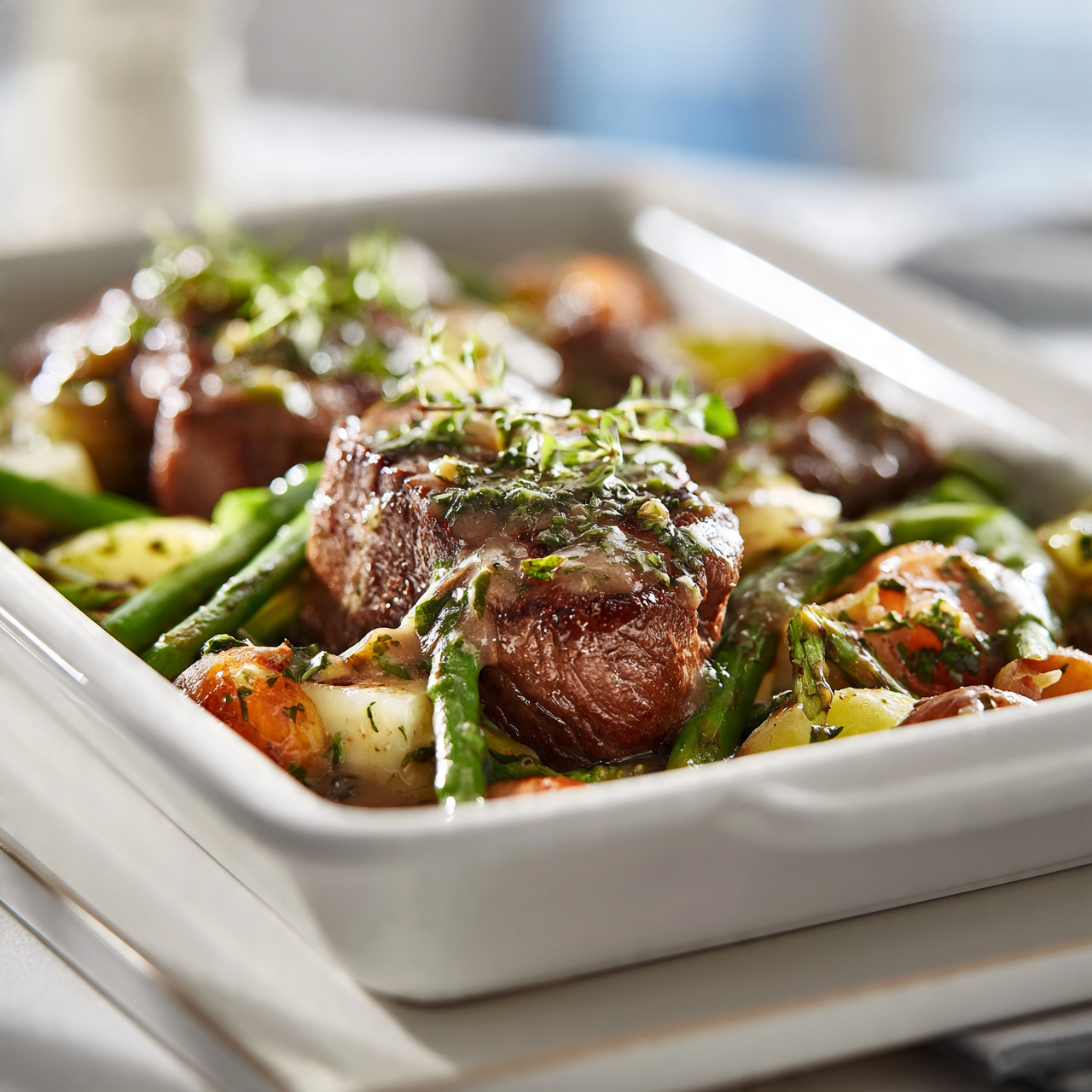
The Best Ever Juicy Beef Tenderloin Recipe (Oven or Cast Iron)
This juicy beef tenderloin recipe delivers a perfectly seared, melt-in-your-mouth roast every time using simple oven or cast iron methods. The best ever beef tenderloin dinner for holidays or any special occasion.

The Best Ever Beef Tenderloin You Will Make at Home
There is a reason beef tenderloin holds the crown at every holiday table and celebratory dinner. It is impossibly tender, rich with beefy flavor, and when cooked right, it produces those gorgeous pink medallions that make everyone go quiet for a moment after the first bite. The good news? This easy beef tenderloin recipe proves you do not need a culinary degree to pull it off at home.
Whether you are searching for easy beef tenderloin recipes for the oven, wondering how to cook beef tenderloin in a cast iron skillet, or just want a simple, foolproof method that works every single time, you are in the right place. This is the only recipe you will ever need.
Why This Recipe Actually Works
Most beef tenderloin recipes fail for one of two reasons: they skip the sear, or they skip the rest. Both are non-negotiable here. A blazing hot cast iron skillet builds the deep, caramelized crust that keeps all those juices locked inside. The resting period lets the fibers relax and the temperature equalize, giving you a rosy, evenly cooked center from edge to edge.
The herb butter rub is the other secret weapon. Rosemary, thyme, garlic, and a whisper of Dijon create a fragrant crust that perfumes every single slice.
Chef's Tip: Pat the tenderloin completely dry before seasoning. Surface moisture is the enemy of a good sear. The drier the meat, the better the crust.
Choosing the Right Cut
For this recipe, you want a center-cut beef tenderloin, sometimes labeled as a "Chateaubriand" at the butcher counter. It is the most uniform section, which means even cooking without worrying about thin tapered ends overcooking before the center reaches temperature.
Ask your butcher to trim the silver skin for you. That tough connective tissue does not break down during a quick roast and can make slices chewy. If you are trimming at home, use a sharp boning knife and slide it just under the silver skin at a shallow angle.
For a simple cast iron venison tenderloin variation, this same method works beautifully. Just reduce the roasting time since venison is leaner and cooks faster.
The right tools and quality ingredients genuinely move the needle on a recipe like this. A reliable instant-read thermometer and a well-seasoned cast iron skillet are the two things that separate a good tenderloin from a great one.
How to Cook Beef Tenderloin Step by Step
Here is what makes this an easy beef tenderloin dinner even for first-timers:
- Bring it to room temperature. Cold meat in a hot pan steams instead of sears. Give it at least 45 minutes on the counter.
- Tie it with kitchen twine. This keeps the roast in a compact, uniform shape so it cooks evenly and holds together beautifully when sliced.
- Sear hard and fast. High heat, hot oil, and patience. Do not move the meat until it releases naturally from the pan.
- Use your thermometer, not the clock. Ovens vary. Pull the roast at 130 degrees F for a perfect medium-rare finish after resting.
- Rest before you slice. Ten minutes minimum. This is the hardest part, but it is everything.
Warning: Slicing too early is the single most common mistake with beef tenderloin. All those beautiful juices will run right out onto the cutting board instead of staying in the meat where they belong.
Ready to make the best beef tenderloin of your life? Here is the full recipe:
The Best Ever Juicy Beef Tenderloin Recipe (Oven or Cast Iron)
This juicy beef tenderloin recipe delivers a perfectly seared, melt-in-your-mouth roast every time using simple oven or cast iron methods. The best ever beef tenderloin dinner for holidays or any special occasion.
Ingredients
- 3 lb beef tenderloin roast, center-cut, trimmed of silver skin
- 2 tsp kosher salt, plus more to taste
- 1 1/2 tsp black pepper, freshly cracked
- 1 tsp garlic powder
- 2 tbsp fresh rosemary, finely chopped
- 1 tbsp fresh thyme leaves, stripped from stems
- 4 garlic cloves, minced
- 4 tbsp unsalted butter, softened, divided
- 2 tbsp olive oil, extra virgin
- 1 tbsp Dijon mustard, optional, for crust
Instruction
Remove the beef tenderloin from the refrigerator at least 45 minutes before cooking to bring it to room temperature. Pat it completely dry with paper towels on all sides.
Preheat your oven to 425 degrees F (220 degrees C). If using a cast iron skillet, place it in the oven while it preheats.
In a small bowl, mix together the kosher salt, black pepper, garlic powder, chopped rosemary, thyme, and minced garlic. Rub 2 tablespoons of the softened butter all over the tenderloin, then press the herb mixture firmly onto every surface. If using Dijon mustard, spread it on first before the herb rub.
Tie the tenderloin with kitchen twine at 2-inch intervals to ensure even cooking and a uniform shape.
Heat the olive oil in a large oven-safe cast iron skillet over high heat until it just begins to smoke. Sear the tenderloin on all sides, including the ends, for about 2 to 3 minutes per side until a deep brown crust forms.
Dot the remaining 2 tablespoons of butter over the top of the tenderloin. Transfer the skillet to the preheated oven. Roast for 20 to 25 minutes, or until an instant-read thermometer inserted in the thickest part reads 130 degrees F (54 degrees C) for medium-rare.
Remove the skillet from the oven and immediately transfer the tenderloin to a cutting board. Tent loosely with foil and rest for at least 10 minutes before slicing. The internal temperature will rise another 5 degrees while resting.
Remove the kitchen twine, slice into medallions about 0.75 inches thick, and serve immediately with any pan juices drizzled over the top.
Equipment
- Large cast iron skillet (12-inch)
- Instant-read meat thermometer
- Kitchen twine
- Cutting board
- Small mixing bowl
- Aluminum foil
- Oven mitts
Notes
Serving Suggestions and Variations
This roast pairs beautifully with creamy mashed potatoes, roasted asparagus, or a simple arugula salad with shaved Parmesan. For a classic steakhouse feel, serve it alongside a red wine pan sauce made from the drippings left in the cast iron.
For make-ahead entertaining, season and tie the roast the night before and dry-brine it uncovered in the fridge. This deepens the flavor and builds a better crust. The actual cooking window is short enough to time perfectly around guests arriving.
Leftovers, if you have any, are spectacular thinly sliced on a crusty baguette with horseradish cream the next day.