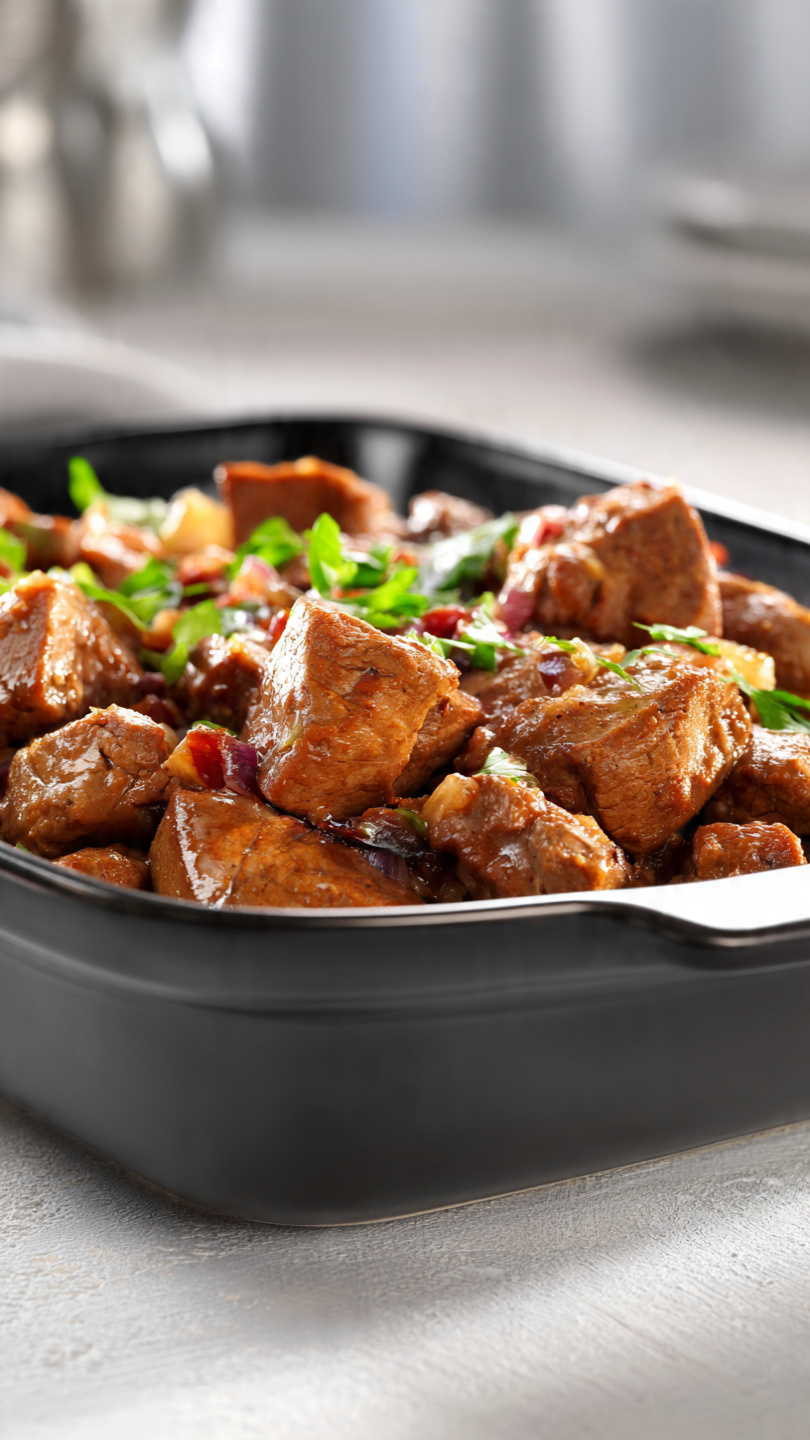
The Absolute Best Beef Liver and Onions Recipe
Learn how to cook beef liver and onions the right way with this foolproof recipe that turns a misunderstood cut into a rich, savory, deeply satisfying meal your whole family will love.

The Underdog of the Dinner Table Deserves a Second Chance
Beef liver gets a bad reputation, and honestly, most of that reputation was earned in kitchens where it was overcooked into a gray, grainy, bitter slab and served without ceremony. If that is your only memory of eating beef liver, this recipe is here to change everything.
Done right, beef liver is extraordinary. It is deeply savory, rich without being heavy, and when paired with a pile of slow-caramelized onions and finished with a quick pan sauce, it becomes the kind of weeknight dinner that surprises people. It is also one of the most nutrient-dense foods you can put on your plate, loaded with iron, B vitamins, and protein in a way that very few cuts of meat can match. Organ meat recipes are having a serious comeback, and this classic preparation is the best place to start.
Whether you are a lifelong liver lover looking for the absolute best liver and onions recipe, or a curious first-timer who wants to know how to prepare and cook beef liver properly, you are in exactly the right place.
The Secret Is in the Soak
Before we talk about anything else, let's talk about the single most important step in cooking liver and onions: the milk soak.
Placing raw beef liver slices in cold milk for 30 minutes to 2 hours before cooking draws out the blood and compounds responsible for that sharp, metallic bitterness. What you get after the soak is a liver that is noticeably milder, cleaner in flavor, and more tender in texture. Do not skip this step. It is the difference between a bowl of cooked liver that people push around their plates and one they ask for seconds of.
The second secret is not overcooking it. Liver cooks fast, just 2 to 3 minutes per side over high heat. The moment it loses all its pink in the center, it turns dry and chalky. Pull it early. It will finish resting on the plate.
Chef's Tip: Pat the liver completely dry after the milk soak before dredging in flour. Moisture is the enemy of a good sear. Dry liver = golden crust. Wet liver = steamed, pale, and sad.
Why the Right Tools Make a Real Difference
For cooking liver and onions properly, a heavy cast iron skillet is genuinely the best tool for the job. It holds heat evenly, gives you the kind of fierce sear that creates a golden crust without sticking, and goes from stovetop to table beautifully. A sharp chef's knife also matters here since clean cuts through the liver help it cook evenly and keep the slices from tearing.
How to Prepare and Cook Beef Liver: What to Look For at the Store
When shopping, look for liver that is deep reddish-brown, moist, and has a fresh (not pungent) smell. Avoid any slices that look gray or dried at the edges.
You will want to remove the thin outer membrane and any visible white connective tissue or large veins before cooking. This is easier than it sounds: simply use your fingers or a small knife to peel back the membrane, and trim any tough-looking bits with kitchen scissors or a sharp knife. Pre-sliced liver from the butcher counter is often already trimmed, which saves time.
Calf's liver (veal liver) is a wonderful alternative if you want an even more delicate, mild result. The prep and cook times are identical. Elk liver, popular among hunters exploring organ meat recipes, can be swapped in here with the same method and the same soaking step.
The Onions Are Not an Afterthought
A great liver and onions recipe lives and dies by its onions. These are not quickly softened onions. These are low and slow caramelized onions, cooked for 15 to 20 minutes until they are jammy, golden, and sweet. They balance the savory depth of the liver perfectly and bring the whole dish together.
Patience here pays off. Push the heat too high and you will get browned but bitter onions instead of the sweet, deeply caramelized kind you are after. Medium-low heat, a pinch of salt, and time are your only ingredients.
Chef's Tip: Cook your onions first and set them aside. Then use the same pan, unwashed, to sear the liver. All those onion-flavored drippings and browned bits on the bottom of the pan make the quickest, most flavorful pan sauce you have ever tasted.
Ready to Cook? Here Is the Full Recipe.
Everything you need, from the milk soak to the finishing pan sauce, is laid out in the recipe card below. Read through it once before you start since the actual hands-on cooking moves quickly once the liver hits the pan.
The Absolute Best Beef Liver and Onions Recipe
Learn how to cook beef liver and onions the right way with this foolproof recipe that turns a misunderstood cut into a rich, savory, deeply satisfying meal your whole family will love.
Ingredients
- 1 1/2 lb beef liver, sliced into 0.5-inch strips, membrane removed
- 1 cup whole milk, for soaking
- 2 large yellow onions, thinly sliced into half-moons
- 1/2 cup all-purpose flour, for dredging
- 3 tbsp unsalted butter, divided
- 2 tbsp olive oil, divided
- 3 garlic cloves, minced
- 1/4 cup beef broth, low sodium
- 1 tbsp Worcestershire sauce
- 1 tsp fresh thyme, leaves only, or 0.5 tsp dried
- 1 tsp kosher salt, plus more to taste
- 1/2 tsp black pepper, freshly ground
- 2 tbsp fresh flat-leaf parsley, roughly chopped, for garnish
Instruction
Place the sliced beef liver in a shallow bowl and pour the milk over it, making sure all pieces are submerged. Let it soak for at least 30 minutes at room temperature, or up to 2 hours in the refrigerator. This step draws out bitterness and results in a much milder, more tender liver.
Remove the liver from the milk and pat it thoroughly dry with paper towels. Discard the milk. Season the flour with salt and pepper, then dredge each piece of liver in the seasoned flour, shaking off any excess. Set aside on a clean plate.
Heat 1 tablespoon of butter and 1 tablespoon of olive oil in a large heavy skillet or cast iron pan over medium-low heat. Add the sliced onions and a pinch of salt. Cook slowly, stirring occasionally, for 15 to 20 minutes until the onions are deeply golden and caramelized. Add the minced garlic and cook for another 1 minute until fragrant. Transfer the onion mixture to a bowl and set aside.
Increase the heat to medium-high. Add the remaining butter and olive oil to the same pan. Once the butter is foaming and just starting to brown, add the dredged liver slices in a single layer. Do not crowd the pan. Work in batches if necessary.
Sear the liver for 2 to 3 minutes per side until nicely browned on the outside but still slightly pink in the center. Overcooked liver becomes grainy and tough, so keep a close eye on it. Transfer to a warm plate.
Reduce the heat to medium and deglaze the pan with the beef broth, scraping up any browned bits from the bottom. Stir in the Worcestershire sauce and fresh thyme. Let the sauce simmer for 1 minute until slightly reduced.
Return the caramelized onions and the liver to the pan. Toss gently to coat everything in the pan sauce and warm through for about 30 seconds.
Taste and adjust seasoning with salt and pepper as needed. Garnish with fresh parsley and serve immediately.
Equipment
- Large cast iron skillet or heavy-bottomed pan
- Shallow bowl (for soaking)
- Shallow dish or plate (for dredging)
- Paper towels
- Tongs
- Sharp chef's knife
- Cutting board
Notes
Serving Suggestions and What to Do with Leftovers
Beef liver and onions is incredibly versatile on the plate. Serve it over creamy mashed potatoes to soak up the pan sauce, alongside buttered egg noodles, or with a simple green vegetable like roasted broccoli or sauteed spinach. A thick slice of crusty bread is also perfect for mopping up every last drop of that pan sauce.
Leftovers keep in the refrigerator for up to 2 days and reheat gently in a covered skillet with a splash of broth. The flavor actually deepens overnight, making next-day leftovers something to look forward to.
If this recipe has converted you to the world of beef organs, the adventure does not stop here. Chicken livers, beef heart, and elk liver all respond beautifully to similar preparations, and once you understand the technique, cooking organ meat recipes becomes second nature.