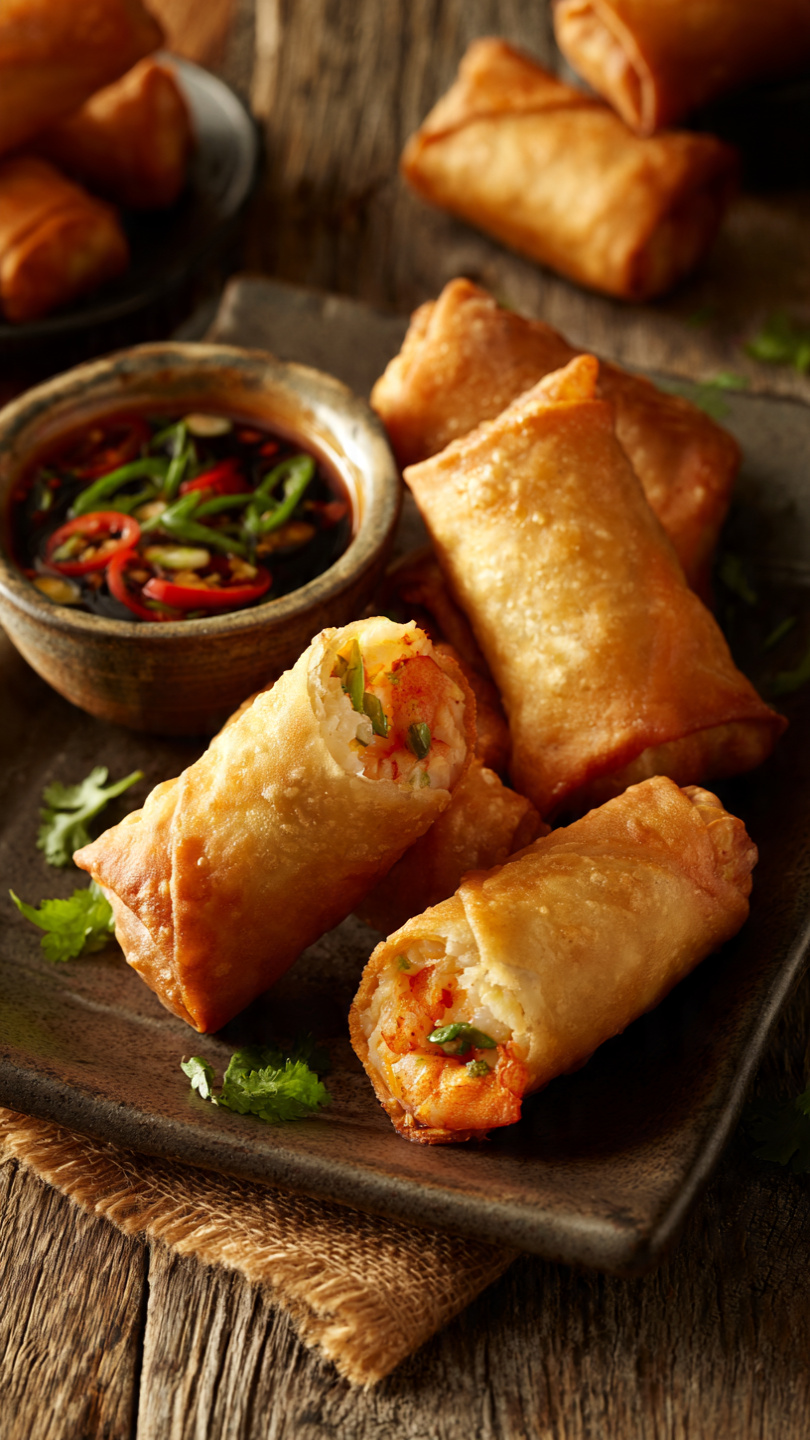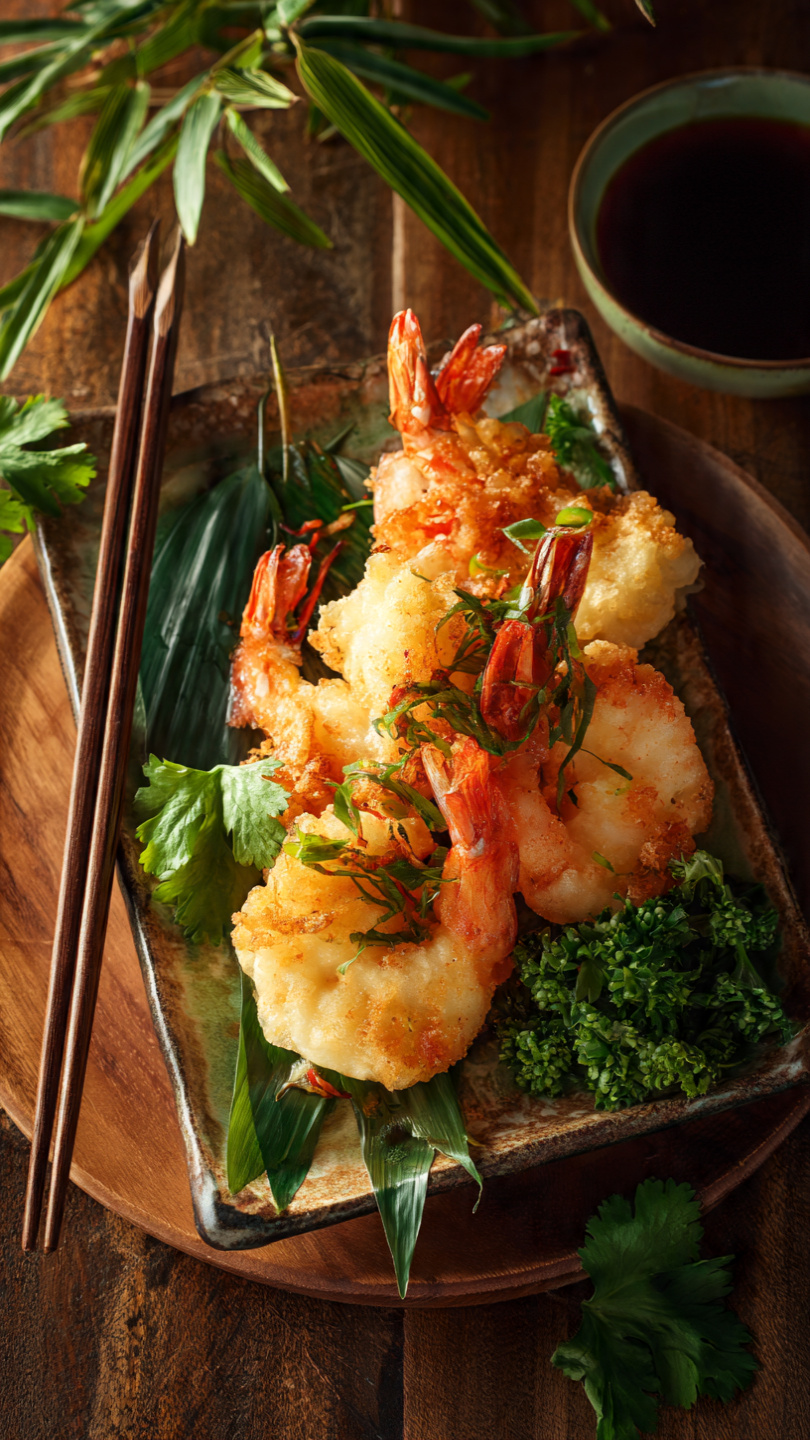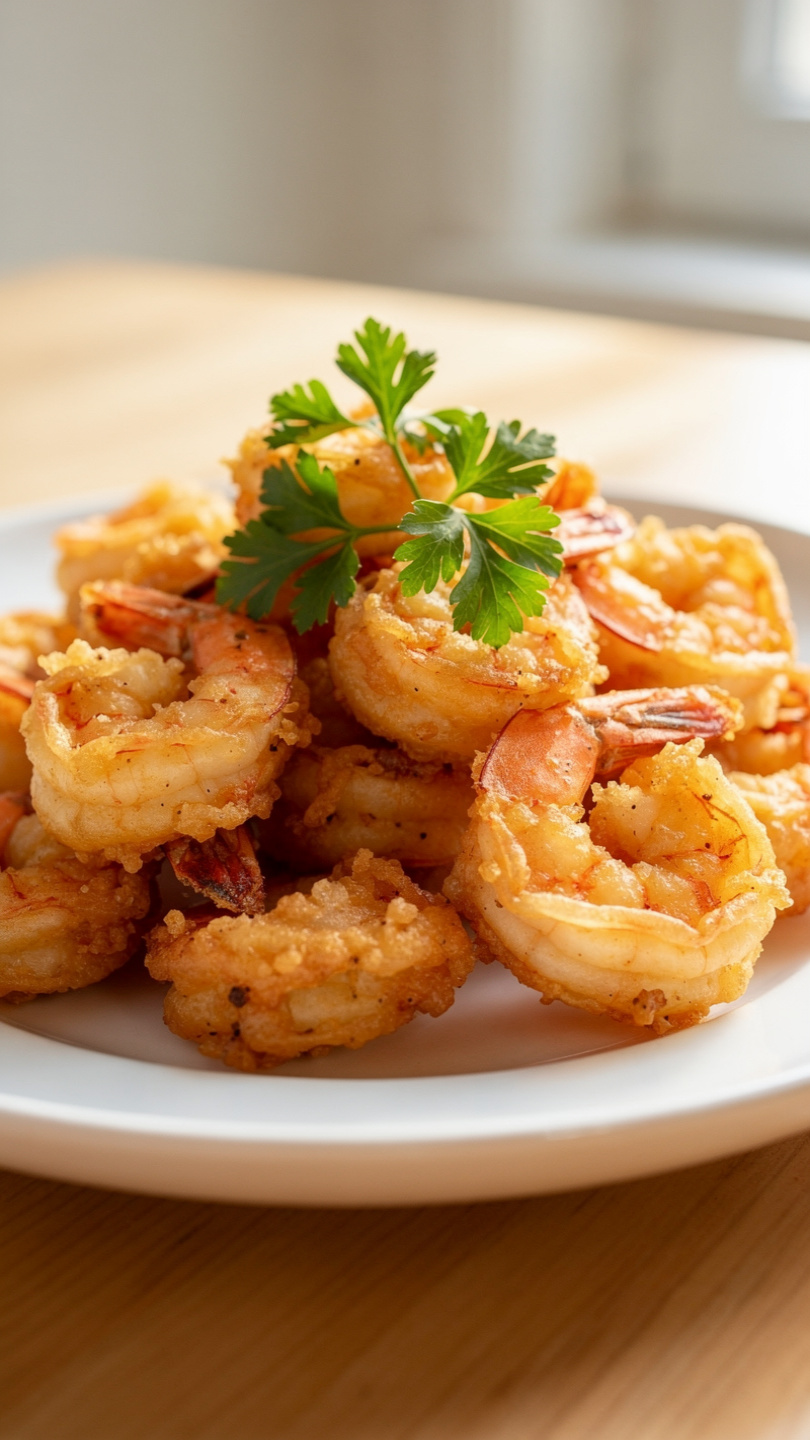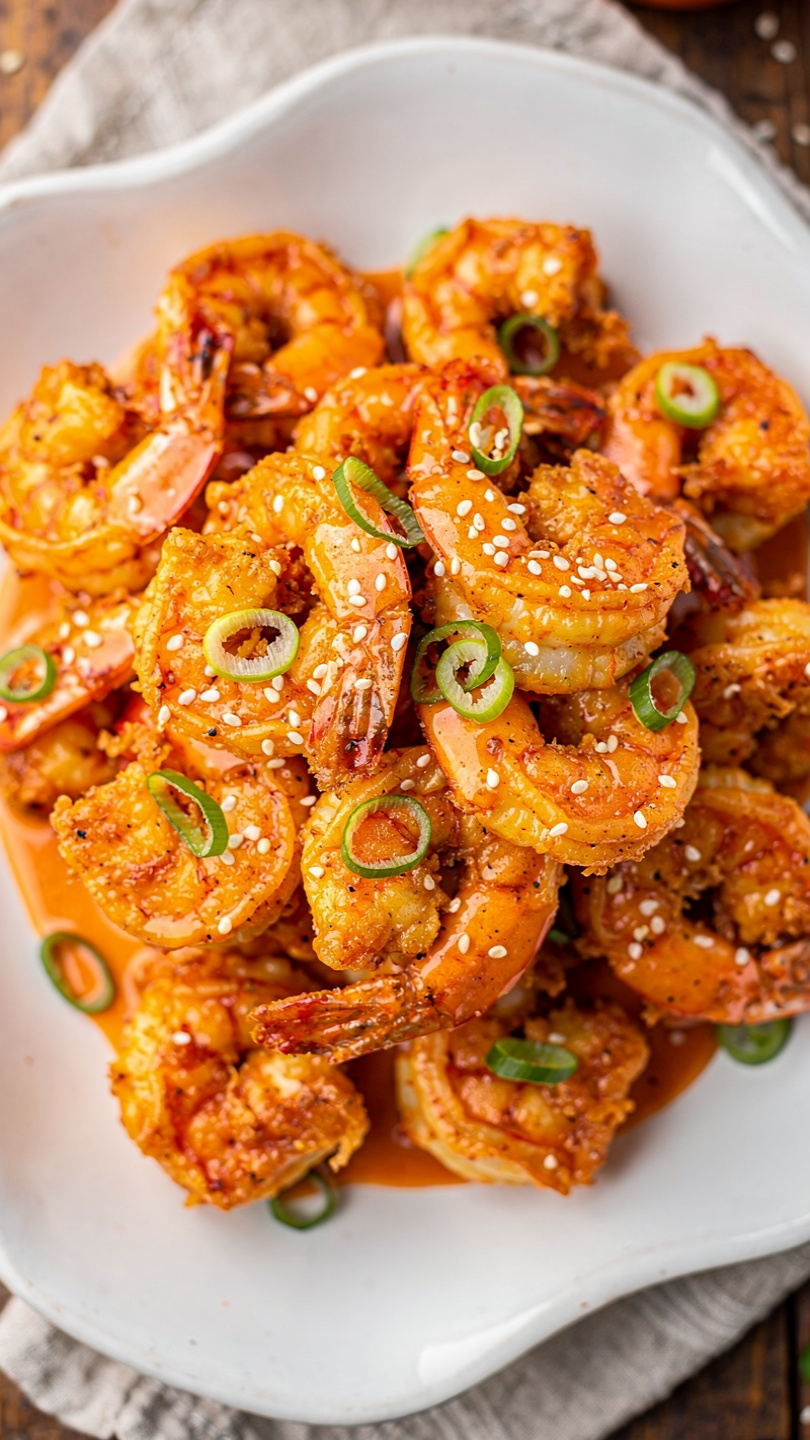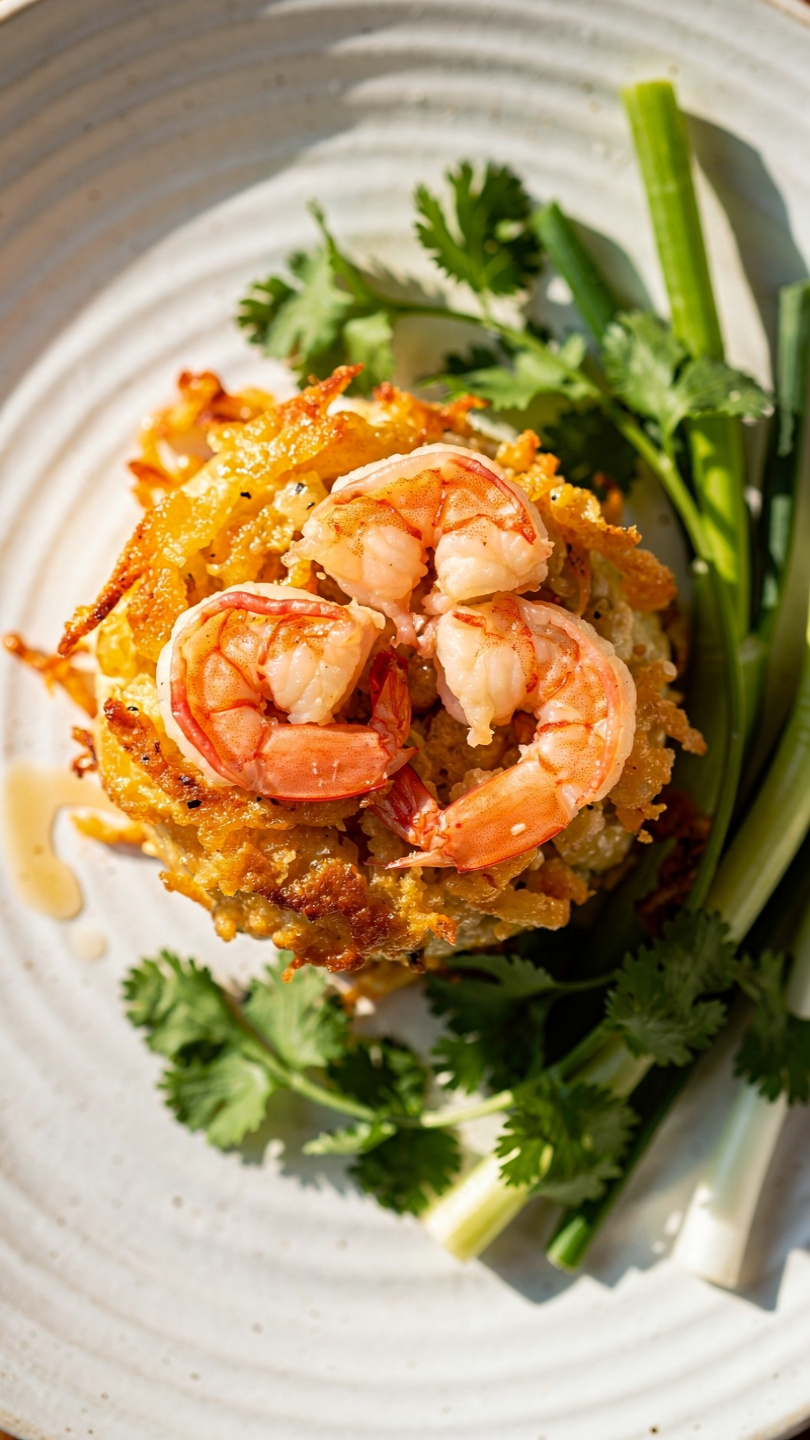
Thai Shrimp Cakes (Tod Mun Goong)
Crispy on the outside and bouncy-tender inside, these Thai shrimp cakes pack sweet shrimp, fragrant herbs, and a kick of red curry into every golden bite.

Crispy, Bouncy, and Bursting with Flavor
If you have ever ordered Thai shrimp cakes at a restaurant and wondered how they get that satisfying snap on the outside with a soft, almost springy bite inside, the secret is simpler than you think. These little patties, known as tod mun goong in Thailand, are one of the most beloved Asian seafood treats for good reason. They come together with pantry staples like red curry paste and fish sauce, plus fresh shrimp that you pulse into a coarse paste rather than mince by hand.
This is one of those Thai seafood recipes that looks impressive on a platter but is genuinely simple to pull off at home, even on a weeknight. Think of it as a cousin to Filipino shrimp fritters, but with a distinctly Thai backbone of curry paste, lime leaf, and a sweet-tart cucumber relish for dipping.
Before we get cooking, the right tools and ingredients make a real difference here. A food processor that can pulse without turning everything to mush, a heavy skillet that holds heat evenly, and good quality Thai red curry paste are what separate a so-so batch from one that tastes like it came from a Bangkok street stall. These are the products that genuinely help this recipe shine:
Why Tod Mun Goong Works So Well
The magic of this dish lies in the texture of the shrimp itself. Unlike many minced fish recipes that call for a completely smooth puree, these cakes want a coarse chop. That little bit of texture is what gives the finished cake its signature bounce, sometimes called "springy" in Thai cooking, almost like a good fish ball.
A few things make this version of the Thai prawn cake stand out:
- Cornstarch and egg work together as a binder so the cakes hold their shape in the hot oil without falling apart.
- Kaffir lime leaves, sliced paper thin, infuse every bite with a citrusy perfume you cannot get from lime juice alone.
- Long beans add little pops of color and a gentle crunch that contrasts beautifully with the tender shrimp.
Chef's Tip: Keep your shrimp and bowl cold throughout the mixing process. Warm shrimp paste turns gummy fast, and a cold mixture fries up far crispier on the outside.
Building the Flavor Base
Red curry paste is doing a lot of heavy lifting in this recipe, so it is worth using a good one. It brings chili heat, lemongrass, galangal, and shrimp paste all in one convenient spoonful, which is exactly why so many Asian seafood recipes lean on it as a shortcut to deep flavor without a long ingredient list.
Fish sauce and a touch of sugar round things out, balancing salty and sweet the way good Thai cooking always does. If you are new to cooking with fish sauce, do not be shy with it here. It mellows considerably once the cakes hit hot oil.
Ready to make it? Here is the full step by step recipe:
Thai Shrimp Cakes (Tod Mun Goong)
Crispy on the outside and bouncy-tender inside, these Thai shrimp cakes pack sweet shrimp, fragrant herbs, and a kick of red curry into every golden bite.
Ingredients
- 1 lb raw shrimp, peeled, deveined, and patted dry
- 2 tbsp red curry paste, Thai-style, such as Mae Ploy
- 1 tbsp fish sauce
- 1 tsp sugar, granulated white
- 1 large egg, lightly beaten
- 2 tbsp cornstarch, helps bind the cakes
- 1/2 cup long beans, finely sliced, or green beans as a substitute
- 4 kaffir lime leaves, very thinly sliced, stems removed
- 2 tbsp fresh cilantro, chopped, plus extra for garnish
- 1 cup vegetable oil, for frying, more or less depending on pan size
- 1 cucumber, thinly sliced, for the dipping sauce relish
- 1/4 cup rice vinegar, for the cucumber dipping sauce
- 3 tbsp sugar, for the dipping sauce
- 2 tbsp roasted peanuts, crushed, for the dipping sauce
Instruction
Place the shrimp in a food processor and pulse in short bursts until you get a coarse, slightly chunky paste. You want texture, not a smooth puree, so stop before it becomes mushy.
Transfer the shrimp paste to a large bowl. Add the red curry paste, fish sauce, sugar, beaten egg, and cornstarch. Mix vigorously with your hand or a sturdy spoon for about 1 minute, until the mixture turns slightly sticky and cohesive.
Fold in the sliced long beans, kaffir lime leaves, and chopped cilantro until evenly distributed throughout the mixture.
Wet your hands lightly and shape the mixture into small patties about 2 inches wide and half an inch thick. You should get 10 to 12 cakes. Place them on a tray as you go.
While shaping, make the dipping sauce. In a small saucepan, combine the rice vinegar and sugar for the sauce. Bring to a gentle simmer, stirring until the sugar dissolves, then remove from heat and let cool. Stir in the sliced cucumber and crushed peanuts just before serving.
Heat the vegetable oil in a wok or heavy skillet over medium heat until it reaches about 325 degrees F (165 degrees C). The oil is ready when a small piece of the mixture sizzles gently without browning too fast.
Fry the shrimp cakes in batches of 4 to 5, being careful not to overcrowd the pan. Cook for 3 to 4 minutes per side, until deep golden brown and firm to the touch.
Transfer the cooked cakes to a plate lined with paper towels to drain excess oil.
Serve warm with the cucumber dipping sauce on the side, garnished with extra cilantro leaves.
Equipment
- Food processor
- Large mixing bowl
- Wok or heavy skillet
- Small saucepan
- Slotted spoon
- Paper towels
Notes
Serving and Storing Your Shrimp Cakes
These cakes are best served warm, fresh from the pan, alongside the cucumber dipping sauce. The sauce is non-negotiable in my book. Its bright vinegar tang and crushed peanuts cut through the richness of the fried shrimp and tie the whole plate together.
A few serving ideas if you want to turn this Thai seafood appetizer into a fuller meal:
- Pile them on a bed of jasmine rice with extra dipping sauce drizzled over the top.
- Tuck them into lettuce wraps with fresh herbs and pickled vegetables.
- Serve alongside a simple green papaya salad for a complete Thai-inspired spread.
Chef's Tip: If your cakes are browning too quickly on the outside before cooking through, lower your oil temperature slightly and give them an extra minute. Patience here pays off in a fully cooked, juicy center.
Leftovers reheat beautifully in a skillet, which actually revives the crispy edges far better than a microwave ever could. However you serve them, these shrimp cakes bring restaurant quality flavor to your own kitchen with very little fuss, and they tend to disappear fast off the serving plate, so you may want to consider doubling the batch.