Fall-Apart Tender Beef Chuck Roast
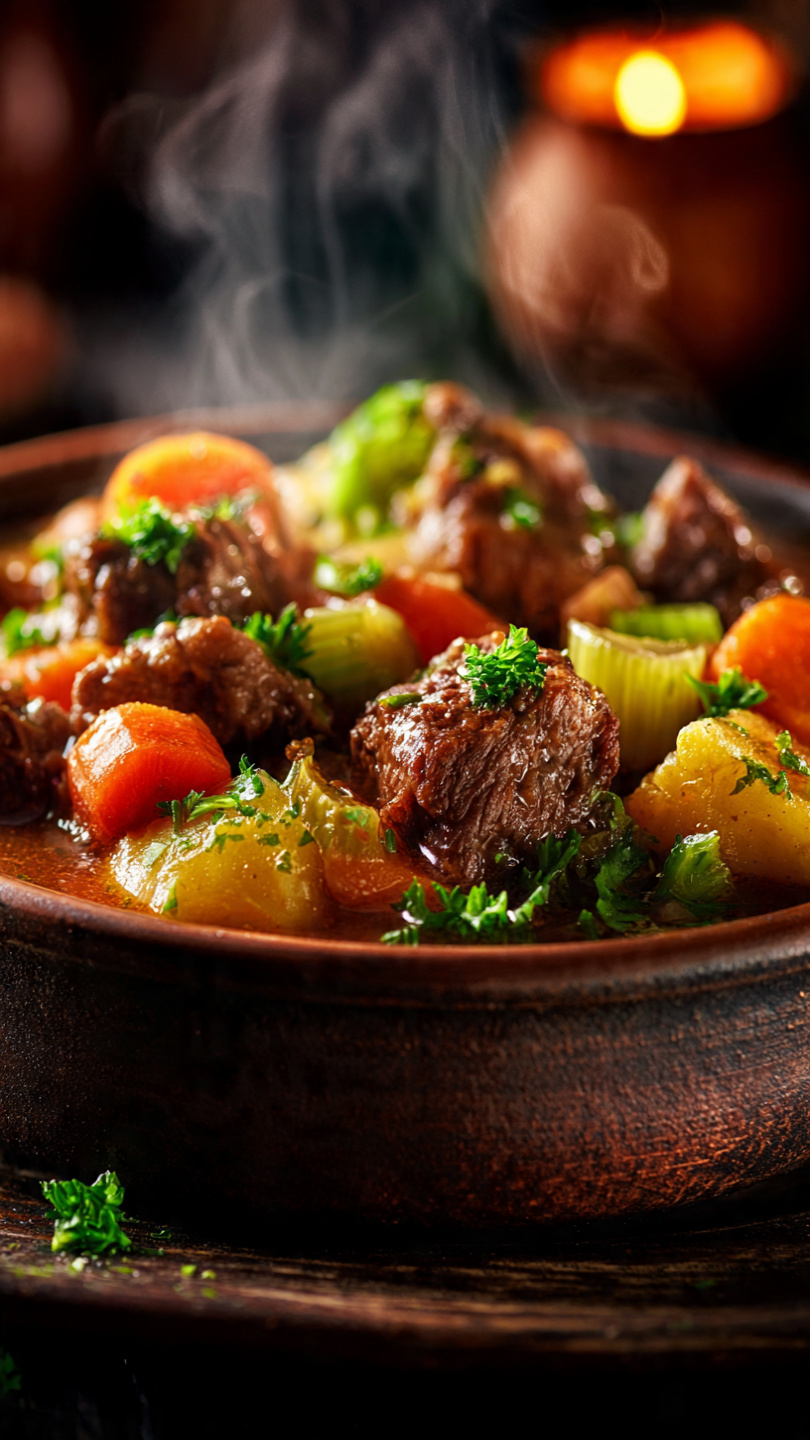
This beef chuck roast slow-braised in a rich, savory broth until fall-apart tender is the ultimate comfort dinner your family will request again and again.

The Chuck Roast That Beats Everything Else on a Cold Night
There is a reason beef chuck roast has been a Sunday dinner staple for generations. When you braise a well-marbled cut of beef low and slow, something almost magical happens. The tough connective tissue melts away, the fat renders into the braising liquid, and what comes out of that Dutch oven is impossibly tender, deeply savory meat that practically falls apart at the touch of a fork. This is the kind of pot roast recipe that makes your whole house smell incredible for hours.
Whether you are hunting for the best chuck roast recipes to add to your rotation, looking for an easy beef recipe for dinner on a chilly weeknight, or just want a reliable Dutch oven recipe that impresses every time, this one checks every box. And the best part? The oven does almost all the work for you.
Why Beef Chuck Is the Right Cut for This Recipe
Not all roast beef recipes are created equal, and the cut you choose makes an enormous difference. Beef chuck comes from the shoulder of the cow, an area that works hard and therefore carries rich marbling and a generous amount of collagen. That collagen is your secret weapon.
During braising, the collagen dissolves into gelatin, which gives the braising liquid a silky, luscious body and keeps every bite of beef chuck incredibly moist. Leaner cuts like sirloin or round simply cannot deliver the same result. They will cook up dry and tough where chuck roast becomes tender and luxurious.
Chef's Tip: Look for a chuck roast with visible marbling throughout. Avoid any piece that looks uniformly lean. More fat and connective tissue means more flavor and a more tender final result.
The right tools and quality ingredients really do make a difference when it comes to braised beef recipes. A heavy-bottomed Dutch oven holds heat evenly and is essential for getting that deep sear and a steady, consistent braise. Using a good low-sodium beef broth and a wine you would actually drink will also noticeably elevate the flavor of the finished dish.
The Secret to a Perfect Sear
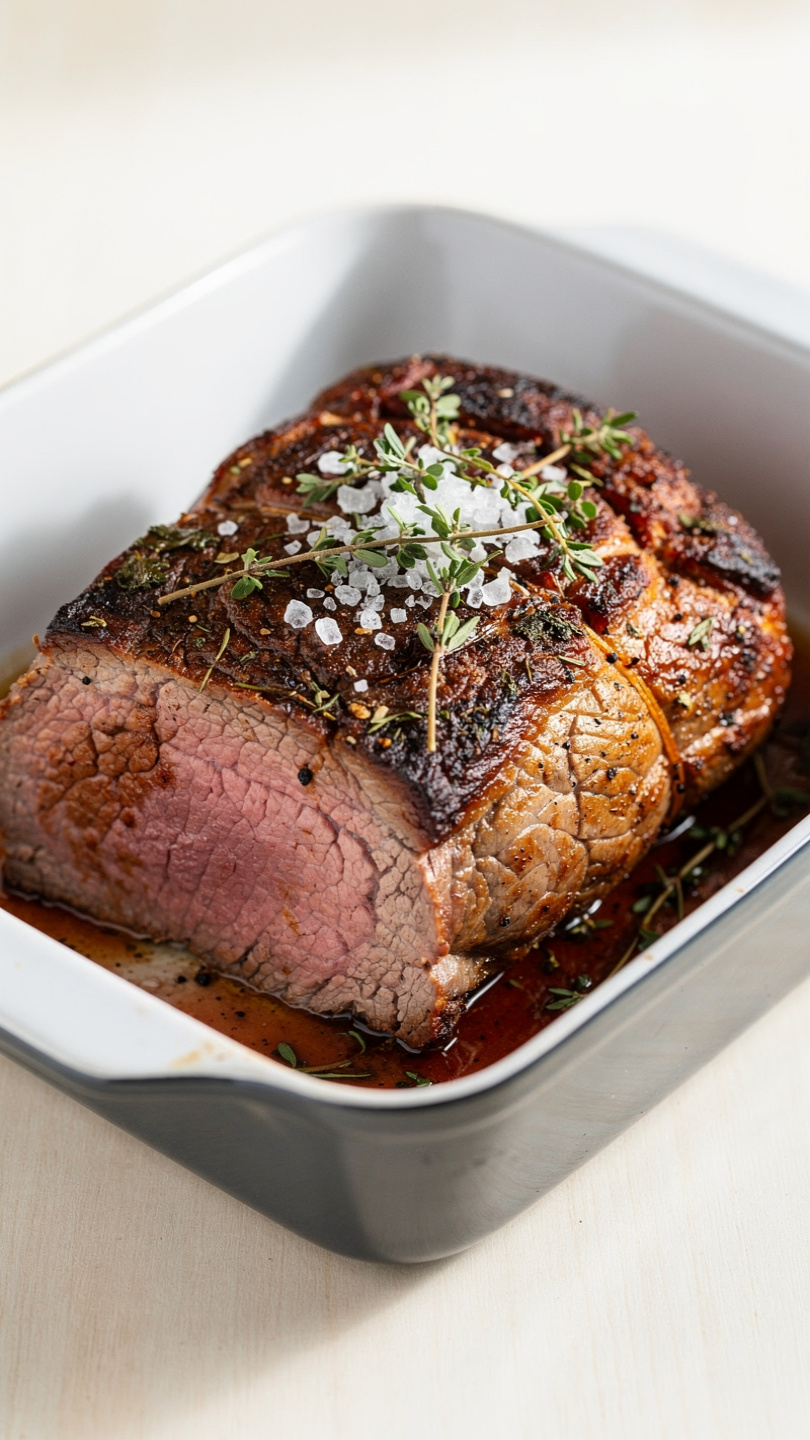
If you skip one step in this pot roast recipe, please do not let it be the sear. Properly browning the outside of the beef chuck roast before braising is what creates that deep, complex flavor that sets a great pot roast apart from a bland, grey one.
Here is what you need to remember:
- Dry the meat completely. Pat the roast with paper towels until the surface is totally dry. Moisture creates steam, and steam prevents browning.
- Get the pan genuinely hot. The oil should shimmer before the meat goes in.
- Do not rush it. Let the crust form without moving the roast for at least 4 minutes per side. If it sticks, it is not ready to flip yet.
- Season generously. Salt and cracked black pepper on every surface, not just the top.
That mahogany crust is packed with flavor compounds that will dissolve into your braising liquid and make every bite better.
Building the Braising Liquid
Think of the braising liquid as a sauce that builds itself while the roast cooks. It starts simple and finishes extraordinary.
After searing, you will cook down the aromatics, carrots, celery, and onion right in the same pot, picking up all those caramelized bits from the bottom. The tomato paste gets cooked until it darkens, adding a subtle sweetness and body. Then the red wine goes in to deglaze, followed by rich beef broth, Worcestershire sauce, and a bouquet of fresh thyme, rosemary, and bay leaves.
Worcestershire sauce is a small addition with a big impact. It adds an umami depth that makes the braising liquid taste like it has been simmering for days.
Chef's Tip: The liquid should come halfway up the sides of the roast, not cover it. You are braising, not boiling. Too much liquid washes away flavor rather than concentrating it.
What to Serve With Beef Chuck Roast
This recipe already includes hearty Yukon Gold potatoes braised right alongside the beef, so you have a nearly complete meal in one pot. To round it out, consider:
- A simple green salad with a bright vinaigrette to cut through the richness
- Crusty bread or dinner rolls for soaking up every drop of those braising juices
- Steamed green beans or roasted asparagus for a pop of color and freshness
- Creamy mashed potatoes if you want to skip the braised potatoes and go full comfort mode
The braising liquid itself is so flavorful that it serves as a natural gravy. Spoon it over everything.
Ready to get started? Scroll down for the full step-by-step recipe, with exact measurements, timing, and all the details you need to nail it on the first try.
Fall-Apart Tender Beef Chuck Roast
This beef chuck roast slow-braised in a rich, savory broth until fall-apart tender is the ultimate comfort dinner your family will request again and again.
Ingredients
- 3 lb beef chuck roast, bone-in or boneless, about 2-3 inches thick
- 2 tsp kosher salt, plus more to taste
- 1 tsp black pepper, freshly cracked
- 2 tbsp olive oil, or avocado oil
- 1 yellow onion, large, roughly chopped
- 3 carrots, peeled and cut into 2-inch chunks
- 3 celery stalks, cut into 2-inch pieces
- 6 garlic cloves, smashed and peeled
- 2 tbsp tomato paste
- 1 cup dry red wine, such as Cabernet or Merlot; substitute beef broth if preferred
- 2 cups beef broth, low sodium
- 1 tbsp Worcestershire sauce
- 4 fresh thyme sprigs, or 1 tsp dried thyme
- 2 fresh rosemary sprigs, or 0.5 tsp dried rosemary
- 2 bay leaves
- 1 1/2 lb Yukon Gold potatoes, cut into 2-inch chunks
Instruction
Preheat your oven to 325 degrees F (165 degrees C).
Pat the chuck roast completely dry with paper towels, then season generously on all sides with salt and black pepper.
Heat the olive oil in a large Dutch oven over medium-high heat until shimmering. Sear the roast for 4 to 5 minutes per side without moving it, until a deep mahogany crust forms. Transfer the roast to a plate.
Reduce the heat to medium. Add the onion, carrots, and celery to the pot and cook, stirring occasionally, for 5 minutes until softened. Add the garlic and cook 1 minute more.
Push the vegetables to the sides and add the tomato paste to the center of the pot. Cook, stirring, for 2 minutes until it darkens slightly and smells fragrant.
Pour in the red wine and scrape up any browned bits from the bottom of the pot with a wooden spoon. Simmer for 3 minutes until the wine reduces by about half.
Add the beef broth, Worcestershire sauce, thyme, rosemary, and bay leaves. Stir to combine.
Nestle the seared chuck roast back into the pot. The liquid should come about halfway up the sides of the roast. Bring to a gentle simmer.
Cover the Dutch oven with its lid and transfer to the preheated oven. Braise for 2 hours.
After 2 hours, carefully remove the lid and add the potato chunks around the roast, pressing them gently into the braising liquid. Replace the lid and continue cooking for 1 more hour, or until the beef is completely fork-tender and the potatoes are cooked through.
Remove and discard the thyme sprigs, rosemary sprigs, and bay leaves. Taste the braising liquid and adjust seasoning with salt and pepper as needed.
Serve the roast and vegetables directly from the Dutch oven, spooning the rich braising juices generously over everything.
Equipment
- Large Dutch oven (at least 6-quart)
- Paper towels
- Wooden spoon or silicone spatula
- Chef's knife and cutting board
- Measuring cups and spoons
- Oven mitts
Notes
Storing, Reheating, and Using Leftovers
One of the best things about this beef chuck roast recipe is that leftovers are arguably better than the original. Overnight in the fridge, the flavors meld and deepen beautifully.
Store leftovers in an airtight container with plenty of the braising liquid to keep the meat moist. Reheat gently on the stovetop over low heat or covered in a 300 degree F oven until just warmed through. Avoid microwaving on high, as it can make the beef tough.
Leftover chuck roast is also incredibly versatile. Shred it with two forks and use it for:
- Beef tacos or burritos with pickled onions and salsa
- Loaded sandwiches on toasted hoagie rolls with provolone
- Beef hash with potatoes and a fried egg for a knockout breakfast
- Pasta ragu simmered with crushed tomatoes over pappardelle
This is truly one of those easy beef recipes for dinner that keeps on giving all week long.